What Trees Really Do for Us
You see them every day - lining the streets, growing in gardens, dotting parks and fields. They quietly work behind the scenes to help clean the air, soak up rainwater, cool us down on hot days, and even protect us from flooding. This article takes a closer look at the hidden superpowers of trees—how each one, big or small, plays a valuable role.
You see them in parks, gardens, schoolyards, and streets. Some are tall and ancient; others are young and just starting out. But all trees—no matter their size or age—do far more for us than we might realise. They’re not just part of the scenery; they’re hard-working, life-supporting pillars of our environment.
In this article, we’ll explore the many invisible ways trees help people, wildlife, and the planet. From absorbing pollution to stopping floods, trees play a vital role in keeping our surroundings healthy, comfortable, and safe.
How Many Trees to Offset Your Car Use?
Drag the slider to select how many car journeys you take each week. We'll show how many trees you'd need to balance the CO2 emissions.
You’d need approximately:
16
mature trees to absorb that CO2 each year.
*Each journey assumes 2.4 kg CO2. One mature tree absorbs approx. 20 kg per year.*
Car emissions also include nitrogen dioxide (NO2) and fine particles, which can affect lungs and heart health — especially in children and older people.
1. Trees Clean the Air We Breathe
Every time we breathe out, we release carbon dioxide (CO2). Cars, factories, and burning fuels release even more. Too much CO2 in the atmosphere traps heat and leads to climate change. That’s where trees step in.
Through a process called photosynthesis, trees absorb CO2 from the air and use it to grow. They store the carbon in their trunks, branches, and roots, and release clean oxygen back into the air. In fact, a single mature tree can absorb around 20 kg of CO2 every year—just by doing what it naturally does.
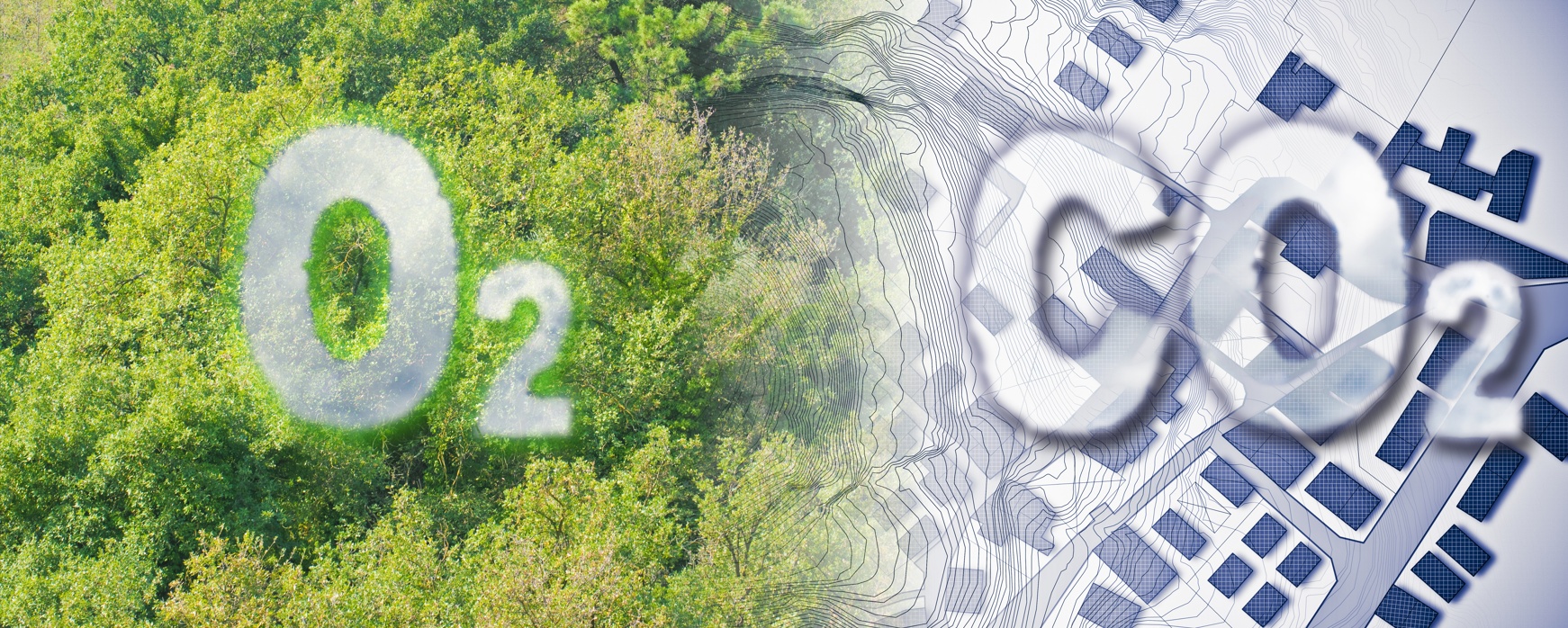
But CO2 isn’t the only pollutant trees tackle. They also absorb other harmful gases, like nitrogen dioxide (NO2), which comes from traffic fumes and can irritate our lungs. Trees also trap tiny bits of dust and soot—known as particulate matter—on their leaves, stopping it from floating in the air we breathe.
In short: Trees act like natural air filters, quietly cleaning the atmosphere around us every day.
2. Trees Help Prevent Flooding
Heavy rain can cause big problems, especially in towns and cities where concrete and tarmac stop water from soaking into the ground. That water rushes into drains, which can quickly overflow, leading to floods.
Trees help in two ways:
- Their leaves and branches slow down rainfall, reducing the impact on the ground below.
- Their roots absorb water and hold the soil together, which stops it from washing away.
Large trees can intercept hundreds—even thousands—of litres of rainwater every year. By doing this, they reduce the risk of surface flooding and soil erosion, particularly in built-up areas. In short, trees act like natural sponges and umbrellas combined.
3. Trees Provide Cool, Shady Spaces
As the climate warms, shade is becoming more important than ever. On hot summer days, areas with no trees—like car parks or streets with bare pavements—can become heat traps, with temperatures rising far higher than the surrounding air.
Trees help by:
- Blocking direct sunlight with their leaves.
- Releasing moisture into the air through a process called transpiration, which helps cool the surrounding area.
A shaded street or park can be several degrees cooler than an open one. That can make a big difference for people, pets, and wildlife, especially those who are older, very young, or more vulnerable to heat.
And let’s not forget how nice it is to sit under a leafy tree with a book or picnic!
4. Trees Support Wildlife
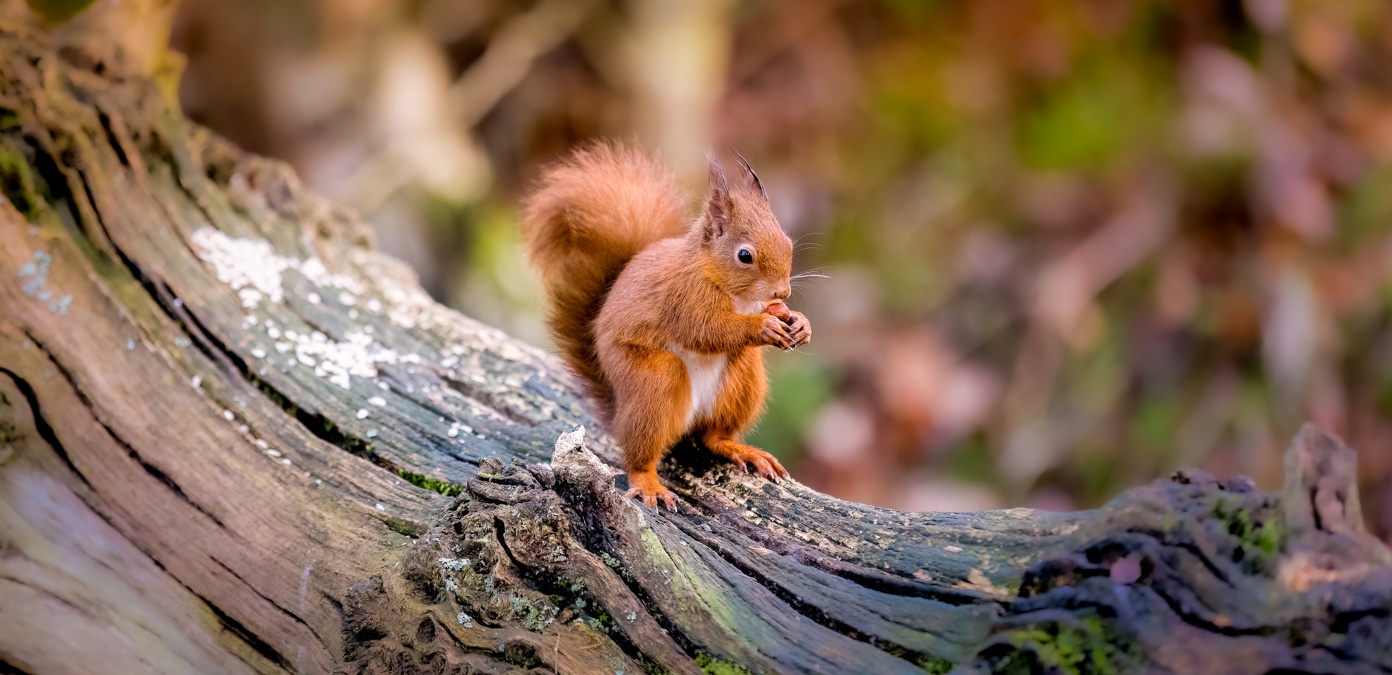
A single mature tree can be home to hundreds of living things. Birds nest in the branches, squirrels hide in hollows, insects shelter in bark and leaves, and fungi grow around the roots. Trees also provide food in the form of fruit, seeds, and nectar.
Even dead or fallen trees have value—creating homes for beetles, fungi, and other creatures that recycle nutrients back into the soil.
The more trees we have—especially a mix of native species—the richer our local wildlife becomes.
5. Trees Make Places More Pleasant
There’s something comforting about trees. Streets lined with trees often feel calmer and more welcoming. Parks with big, old trees attract more visitors. And homes near trees are not only more desirable—they can also be worth more.
Research has shown that spending time near trees can:
- Reduce stress and anxiety
- Improve concentration
- Encourage exercise and outdoor play
- Boost feelings of happiness and connection
Schools with more trees tend to see improved focus and behaviour. Hospitals with tree views often see faster recovery times. These benefits aren’t just about looks—they’re rooted in our physical and mental wellbeing.
6. Trees Help Fight Climate Change
Trees store carbon as they grow, which helps balance out the carbon we release. That makes them one of our best tools for slowing down climate change—especially when planted in the right places and looked after well.
But mature trees do far more than young ones. It takes decades to build up the size, leaf area, and root system of a big tree. That’s why protecting the trees we already have is just as important as planting new ones.
In towns and cities, street trees, park trees, and garden trees play a vital role in keeping the local climate livable. They help cool down heatwaves, clean the air, manage stormwater, and provide shelter from wind.
7. Trees Are a Link to the Past
Some trees are older than entire neighbourhoods. They’ve stood through centuries of change—through wars, rebuilding, and generations of people growing up around them. These ancient and veteran trees are not only ecologically important but culturally and historically valuable.
Looking at a tree that’s over 100 years old connects us to a time before cars, screens, and even electricity. These living landmarks tell stories of the land and deserve our protection.
8. Trees Bring People Together
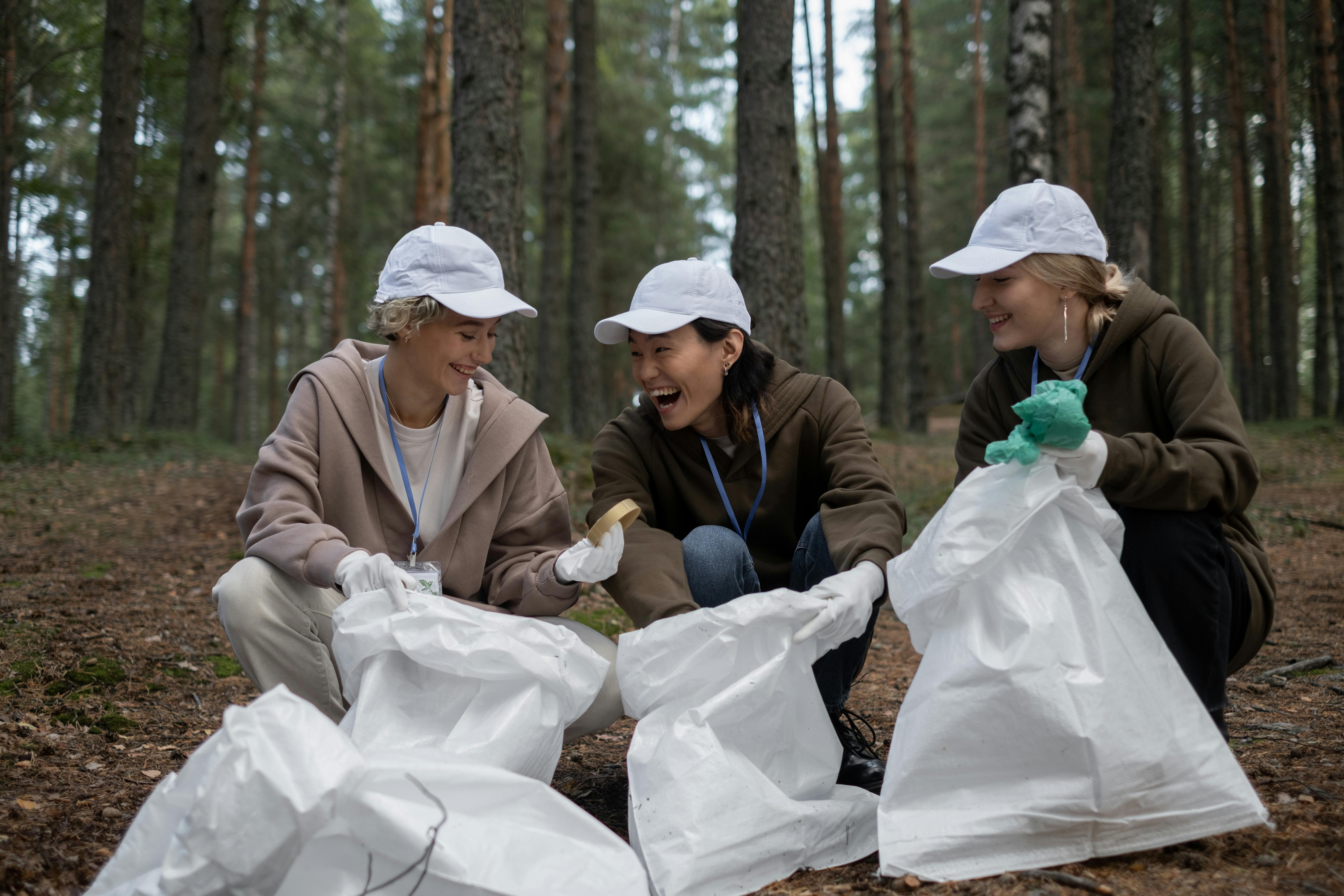
Across the country, tree-planting projects are bringing neighbours, schools, and communities together. Whether it's part of a green initiative, a celebration, or simply a desire to make things better, planting and caring for trees gives people a shared sense of purpose.
In some places, trees are even mapped and celebrated—with walks, trails, and digital tools showing what species grow where and how old they are. In others, local councils and volunteers run “tree counts” to track and protect their leafy assets.
So What Can We Do?
Whether you’re young or old, a renter or homeowner, a walker or a driver—everyone can help trees thrive.
Here’s how:
- Plant a tree in your garden, if you have space (fruit trees count!)
- Water young trees near your home during dry spells
- Join local tree planting or conservation groups
- Speak up for trees when new developments are planned
- Learn to identify trees in your area—start with leaves and bark
- Protect the ones we already have, especially mature trees
Every tree planted or protected makes a difference—not just for today, but for generations to come.
Trees are quiet champions of the environment. They clean our air, manage rainwater, cool us down, support wildlife, and make our communities more beautiful and resilient. Whether it’s a mighty oak, a silver birch, or a young sapling, each tree has a part to play in making life better.
So next time you walk past a tree, give it a second look. It’s doing a lot more than you think.
Create an account
Create an account to track your recorded trees across devices.